Travel to Asia: temples, megacities and street food

From Japan to India via Southeast Asia, the Asian continent packs the greatest diversity of cultures, climates and travel budgets on Earth. A continent so vast that it's usually better to pick one specific sub-region rather than a scattered circuit.
  • 36 countries

Why travel to Asia?

Asia holds more than half the world's population, the planet's highest peaks and some of its oldest religious traditions. Each sub-region, from Japan to India, imposes its own seasons and its own travel budget.

What to discover in Asia?

Japan, between tradition and modernity

Tokyo and Kyoto illustrate Japan's great divide between futuristic skyscrapers and centuries-old Buddhist temples. The JR Pass, reserved for foreign visitors, allows travel by high-speed train at a controlled cost over a 10 to 14-day circuit. Cherry blossom season, late March to early April, remains the most in demand and requires booking accommodation and tickets many months ahead of arrival.

India, a subcontinent on its own

The Golden Triangle, linking Delhi, Agra and the Taj Mahal to Jaipur, forms the classic itinerary for a first trip to India, usually over 7 to 10 days. Extreme heat from April to June makes travel difficult in the north of the country, with October to March remaining far more comfortable for sightseeing without exhaustion. Southern India, greener and less visited, deserves its own separate circuit.

China, between megacities and natural sites

Beijing, Shanghai and the Great Wall form a classic first circuit, while Yunnan and Sichuan offer mountainous landscapes far less crowded by organized tours. A visa remains necessary for most nationalities, to apply for several weeks before departure at the relevant consulate. The high-speed rail network now links most major Chinese cities within just a few short hours of travel.

The Himalayas and high plateaus

Nepal and Bhutan draw trekkers toward Himalayan peaks, with multi-day treks leading up to Everest Base Camp for the most experienced. Bhutan imposes a high daily fee on every foreign visitor, which limits mass tourism but significantly raises the trip's overall cost. Nepal itself stays noticeably cheaper overall for a longer trek deep across those same towering mountains and remote valleys.

Mongolia and the desert steppes

The Gobi desert and Mongolia's steppes offer a rare nomadic experience, between nights in a yurt and horse rides over considerable distances. The short season from May to September holds most of the travel activity, Mongolian winters being among the coldest inhabited places on Earth. A local guide is nearly essential to navigate these vast, landmark-free expanses safely and comfortably.

Budget and planning an Asian trip

Daily budget varies enormously by sub-region: Japan and Singapore stay expensive, while Nepal or some rural areas of India allow travel for under 30 euros a day. Always anticipate visa procedures specific to each country, which vary greatly from one Asian border to the next. Domestic flights often remain by far the fastest way to cover the continent's genuinely huge distances.

Countries of Asia

Japan, India, China, Nepal, Mongolia: explore the destinations of the world's largest continent.

Cities to visit in Asia

Featured destinations appear first.

Asia in pictures

Continent highlights

The experiences that define a trip to Asia.

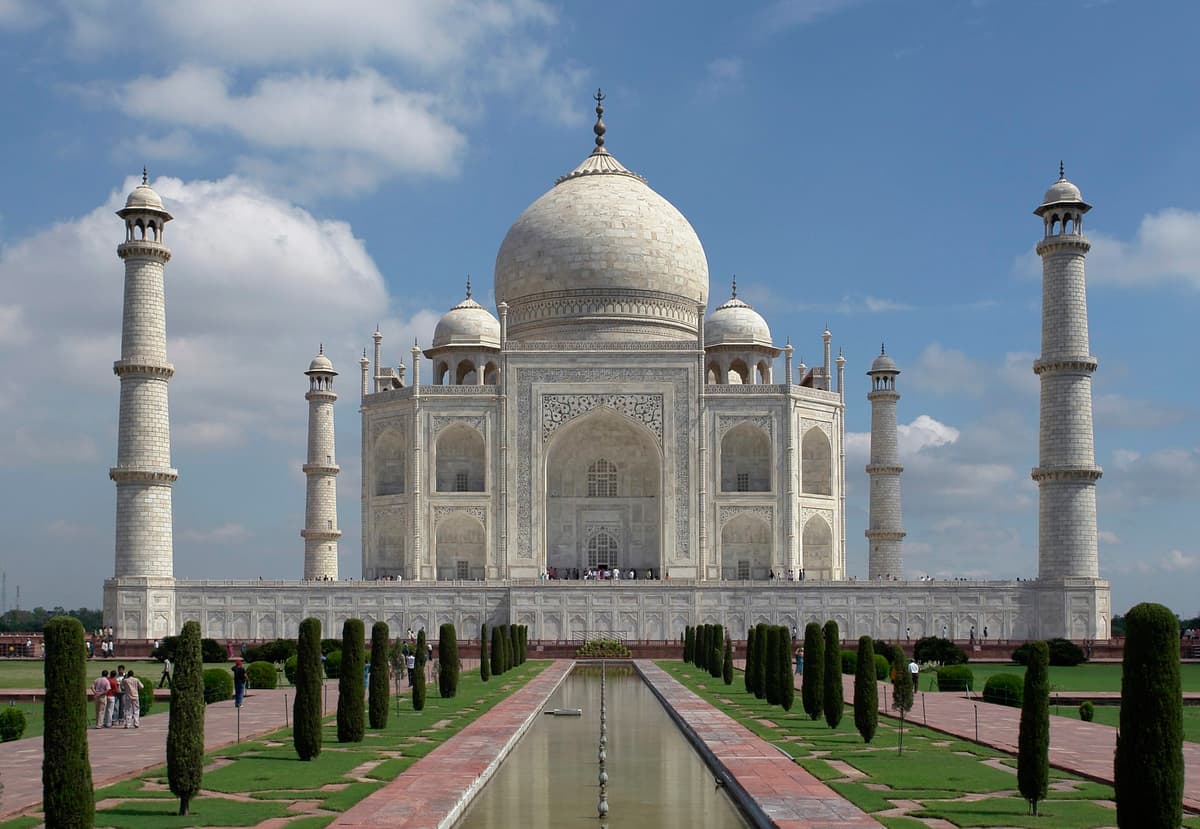
Taj Mahal

Iconic white marble mausoleum in Agra, northern India.

Mount Fuji

Sacred Japanese peak visible from Tokyo on clear days.

Great Wall of China

Ancient fortification stretching over thousands of kilometers.

Everest Base Camp

Legendary Himalayan trek in Nepal, several days of walking.

Gobi Desert

Mongolian steppes and dunes, land of the world's last nomads.

Kyoto

Former Japanese capital with a thousand temples and zen gardens.

Yunnan valley

Terraced rice fields and ethnic minorities of southwest China.

Bhutan

Preserved Himalayan kingdom, strictly regulated and costly tourism.

Varanasi

Hindu holy city on the Ganges, ancient funeral rites.

Practical info

Time difference
From +5h to +9h vs Paris depending on the country
China visa
Required for most nationalities, consular application
Japan JR Pass
Reserved for foreign tourists, to buy before departure
Bhutan daily fee
Around 100 dollars per day per visitor
Best season, Himalayas
March to May and September to November
Best season, North India
October to March, outside extreme heat
Tap water
Avoid in nearly all Asian countries
Currency
No single currency, exchange needed country by country

Frequently asked questions

Do I need a visa to visit Japan?
No, French citizens do not need a visa for a tourist stay under 90 days, a valid passport alone being fully enough to enter Japanese territory without further formalities required.
What's the best time to see cherry blossoms?
Blooming generally happens late March to early April depending on the region of Japan, a highly sought-after period that requires booking accommodation and train tickets many months ahead of travel.
How many days does India's Golden Triangle take?
Budget 7 to 10 days to comfortably link Delhi, Agra and Jaipur, including the Taj Mahal at sunrise, the moment most sought by photographers wanting to avoid the daytime crowds.
Why is Bhutan so expensive to visit?
The country imposes a high daily fee on every foreign visitor in order to limit mass tourism and preserve its environment, a deliberate policy long embraced by the Bhutanese government.
Can you do the Everest Base Camp trek without experience?
Good fitness is usually enough, altitude being the main challenge rather than technical terrain, with gradual acclimatization essential over the 10 to 12 days of walking usually involved along the route.
What's the cheapest time to travel in Asia?
Rainy season, generally between June and September depending on the country, offers significantly reduced accommodation rates, at the cost of a more humid climate and some canceled outdoor activities entirely.
Is Mongolia easy to visit independently?
It's harder than elsewhere in Asia due to the immense distances and the lack of developed public transport, which pushes most travelers toward hiring a guide or a local driver.
Do I need vaccines before traveling to India?
No vaccine is mandatory for entry, but hepatitis A and typhoid are strongly recommended, along with preventive antimalarial treatment in certain rural areas depending on the current rainy season conditions.

Explore the other continents

Continue your trip around the world and discover more destinations.

Ready to explore Asia?

Compare Japan, India and Nepal, plan your trek or your temple circuit, create your itinerary and manage your whole trip in a single app.
Aperçu de l'application PlanTripNow